

 See My Latest Article on HelloNation
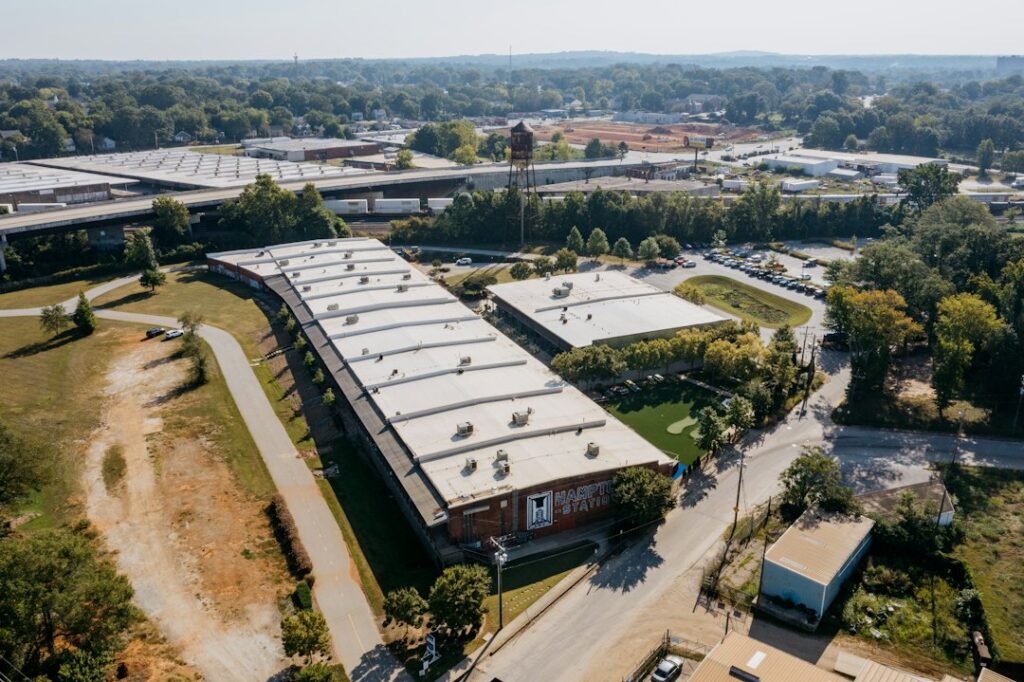
Commercial building operating costs are shaped by more than rent, utilities, and routine repairs. Energy use, water consumption, preventive maintenance, staffing practices, insurance requirements, and tenant behavior all influence the monthly budget. In Charleston, SC, heat, humidity, storm exposure, and salt-laden air can create additional maintenance concerns.
Reducing costs does not mean delaying necessary work or lowering building standards. The strongest savings usually come from measuring expenses carefully, correcting waste, and maintaining equipment before small problems become expensive failures.
Which operating costs should a building owner or manager review first?
Start with expenses that recur every month and those that can increase without being noticed. Utility bills, service contracts, janitorial supplies, maintenance calls, and common-area lighting often provide the clearest opportunities.
A useful first step is to organize costs into categories:
- Electricity, water, sewer, and fuel
- Heating, ventilation, and air-conditioning operation
- Repairs and preventive maintenance
- Janitorial services and consumable supplies
- Landscaping, pest control, and exterior upkeep
- Waste collection and recycling
- Insurance, permits, inspections, and life-safety systems
- Administrative and after-hours operating expenses
Review at least 12 months of invoices when possible. Looking at only one or two bills can hide seasonal patterns, unusual weather, vacancy changes, or equipment problems. In a coastal climate, cooling costs may remain elevated for much of the year, while humidity can affect both comfort and building materials.
How can commercial buildings reduce energy use without making occupants uncomfortable?
The most reliable approach is to improve control rather than simply raising or lowering temperature settings. Heating and cooling equipment often runs longer than necessary because of inaccurate schedules, poor sensor placement, clogged filters, or simultaneous heating and cooling.
Managers can examine whether:
- Thermostats and sensors reflect actual occupied conditions
- HVAC schedules match business hours and tenant needs
- Interior spaces are being conditioned when they are vacant
- Air filters are replaced according to equipment requirements
- Outdoor-air settings are appropriate for occupancy and ventilation needs
- Doors, windows, and loading areas remain closed when conditioned air is operating
- Ductwork and air-handling components have visible leaks or damaged insulation
Humidity deserves special attention. Setting cooling equipment too high can leave indoor spaces damp, while setting it too low may increase energy consumption without improving comfort. Moisture control should be evaluated alongside temperature, especially in buildings with storage areas, ground-level spaces, or limited air circulation.
Lighting is another practical target. Replacing failed lamps with efficient fixtures can reduce both electricity use and maintenance visits. Occupancy sensors may be useful in restrooms, storage rooms, stairwells, and other intermittently occupied areas, but they should not be installed where frequent switching could create safety or operational problems.
Does preventive maintenance really reduce operating costs?
Yes. Preventive maintenance usually costs less than emergency repair, equipment replacement, and business disruption. It also helps building systems operate closer to their intended efficiency.
A preventive maintenance calendar should include more than air-conditioning service. Depending on the property, it may cover:
- Roof drains, gutters, and flashing
- Exterior sealants around windows and penetrations
- HVAC filters, coils, belts, controls, and condensate lines
- Pumps, valves, and water heaters
- Electrical panels and emergency lighting
- Fire doors, extinguishers, alarms, and sprinkler components
- Elevators and other regulated equipment
- Parking areas, sidewalks, railings, and exterior lighting
Heavy rain and tropical weather can expose blocked drains, roof weaknesses, damaged exterior materials, and inadequate water flow. Clearing drainage paths before periods of intense rainfall can help prevent interior damage and expensive emergency cleanup.
Salt air can also accelerate corrosion on exposed metal, mechanical equipment, fasteners, and exterior fixtures. Routine inspection and appropriate protective maintenance may extend useful service life.
How can water expenses be controlled?
Water waste is often difficult to detect because a leak may remain hidden for weeks. Comparing current usage with similar periods can reveal problems, especially when occupancy has not changed significantly.
Practical measures include:
- Checking toilets, faucets, irrigation components, and mechanical rooms for leaks
- Reviewing water bills for unexplained increases
- Installing low-flow fixtures where appropriate
- Adjusting irrigation schedules for weather and seasonal conditions
- Using shutoff controls in areas that are not regularly occupied
- Insulating hot-water lines and reviewing recirculation settings
- Repairing continuously running equipment promptly
A small leak inside a wall or below a slab can create both water charges and building damage. Stains, musty odors, peeling finishes, or unexpectedly damp areas should be investigated rather than covered cosmetically.
Irrigation can also become a hidden expense. Landscaping schedules that operate during rainy periods or during the hottest part of the day may waste water through runoff and evaporation.
Which maintenance decisions create false savings?
Delaying maintenance is one of the most common forms of false savings. A low-cost repair may become a major replacement if a failing pump, roof leak, electrical component, or cooling system is ignored.
Other examples include:
- Using unsuitable replacement parts because they cost less initially
- Reducing cleaning in areas where sanitation affects health or equipment performance
- Turning off ventilation in spaces that require air exchange
- Skipping inspections required by law, insurance, or equipment manufacturers
- Sealing over moisture damage without correcting the source
- Choosing a short-term patch when repeated repairs show that replacement is more economical

Cost control should consider total ownership expense, not just the invoice for the current month. A replacement component that lasts longer, operates more efficiently, or reduces service calls may be less expensive over several years.
Can tenant and employee habits affect building expenses?
Yes. Occupant behavior can influence energy, water, waste, and repair costs, particularly in shared commercial properties.
Clear building procedures can address simple issues such as leaving lights on, propping open exterior doors, blocking air vents, reporting leaks, or storing items against mechanical equipment. These instructions work best when they are specific and easy to follow.
For example, a building policy might explain:
- Which temperature adjustments are permitted
- How after-hours use should be reported
- Where leaks, unusual odors, or equipment noises should be documented
- Which items cannot be placed near electrical or mechanical rooms
- How waste and recycling should be separated
- When loading doors should remain closed
Tenant improvements and office rearrangements can also affect airflow, lighting, and equipment loads. A new partition, server installation, or change in occupancy may require a review of ventilation and electrical demand.
How should operating data be used?
Utility bills and maintenance records become more useful when they are compared over time. Track consumption by month and, when practical, relate it to occupancy, operating hours, weather, or rentable area.
Useful indicators may include:
- Electricity use per occupied square foot
- Water use per occupant or operating day
- Number of emergency maintenance calls
- Preventive maintenance completion rate
- Repair costs by equipment category
- Waste volume and collection frequency
- Utility use during vacant or low-occupancy periods
Unexpected changes deserve investigation. A higher electric bill may reflect weather, extended hours, failing equipment, or a billing adjustment. A lower water bill may result from reduced occupancy rather than an actual efficiency improvement.
A simple recordkeeping system is often enough. The goal is to identify trends and prioritize work, not create unnecessary administrative complexity.
What should be included in an annual cost-reduction plan?
An annual plan should combine immediate corrections with longer-term capital decisions. Begin with items that reduce waste or prevent damage, then evaluate larger upgrades according to payback, reliability, occupant needs, and expected service life.
The plan may include:
- Utility review and operating-hour adjustments
- HVAC inspections before heavy cooling demand
- Roof and drainage checks before major storm periods
- Lighting upgrades in high-use areas
- Water-leak monitoring
- Equipment replacement forecasts
- Review of service agreements and supply use
- Updates to emergency procedures and inspection records
Safety and legal compliance should remain separate from optional cost-cutting. Fire protection, electrical work, elevators, hazardous materials, and other regulated systems require appropriate inspection and maintenance. Savings should never depend on removing safeguards or postponing required work.
A well-managed building does not necessarily have the lowest maintenance budget in any single month. It has fewer preventable failures, more predictable expenses, and operating systems that remain reliable through changing weather and occupancy conditions.