

 See My Latest Article on HelloNation
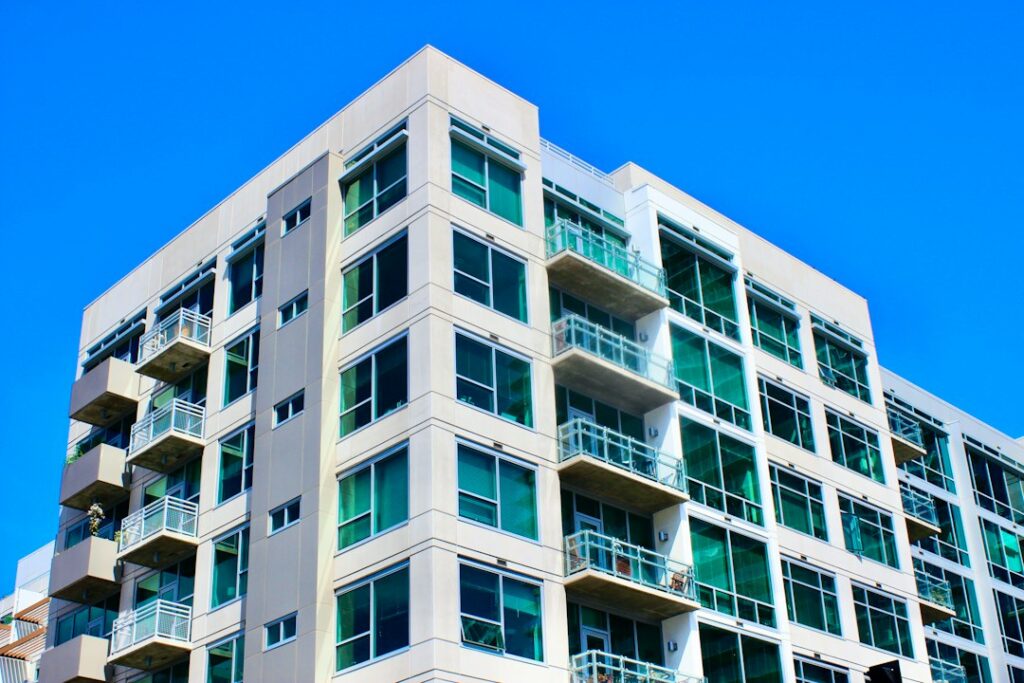
Commercial tenants usually stay when a property is dependable, easy to operate, and responsive to the needs of the people using it. Attractive finishes may help bring attention, but long-term retention depends more on consistent maintenance, fair communication, reasonable operating costs, and a property that supports daily business activity.
For owners and managers, attracting tenants is only the first step. Retention reduces vacancy periods, limits turnover expenses, protects building income, and helps create a more stable commercial environment for neighboring businesses and the surrounding community.
What do commercial tenants look for before signing a lease?
Tenants typically evaluate more than the appearance of a building. They want to know whether the property can support their operations without creating avoidable delays, expenses, or customer complaints.
Common evaluation points include:
- Location and access for employees, customers, vendors, and deliveries
- Parking, loading areas, pedestrian routes, and access after normal business hours
- Building condition, including roofs, plumbing, electrical systems, lighting, and heating or cooling
- Internet and utility availability
- Visibility and signage opportunities where permitted
- Lease terms, operating expenses, renewal options, and maintenance responsibilities
- Safety, cleanliness, and the condition of shared areas
- The reliability of property management communication
In Charleston, climate and geography can add practical concerns. Heavy rain, humidity, tropical weather, salt-laden air near coastal areas, and periods of intense heat can affect roofs, exterior materials, drainage, landscaping, and indoor comfort. A property that appears attractive during a tour may still be a poor choice if recurring moisture or cooling problems are not addressed.
Clear, accurate information builds trust before a lease is signed. Prospective tenants should receive a realistic explanation of what is included in rent, which costs may change, how maintenance requests are handled, and what improvements require approval.
How does a well-maintained property attract better tenants?
A clean, functional property signals that management pays attention to details. Tenants are more likely to consider a building seriously when shared spaces are orderly, lighting works, landscaping is controlled, restrooms are maintained, and visible defects are corrected rather than temporarily hidden.
Maintenance should be based on prevention instead of waiting for a breakdown. Useful practices include:
- Inspecting roofs, gutters, drains, exterior sealants, and mechanical equipment regularly
- Checking for moisture intrusion after major storms or unusually heavy rainfall
- Servicing heating and cooling systems before periods of peak demand
- Reviewing lighting, locks, access systems, and emergency equipment
- Keeping parking areas, sidewalks, entrances, and common areas safe and usable
- Recording completed work and recurring problems
Preventive maintenance is especially valuable in commercial properties because a small defect can interrupt business operations. A leaking ceiling, failed air-conditioning system, or blocked drain may affect merchandise, equipment, employees, customers, and scheduled appointments.
The goal is not to make every property look new. It is to make the property predictable, functional, and appropriately maintained for the type of tenant using it.
Why does communication affect tenant retention?
Tenants are more likely to renew when they know how to report problems and can expect a reasonable response. Poor communication often creates more frustration than the original maintenance issue.
A practical communication system should explain:
- Where maintenance requests should be submitted
- What information tenants should provide
- How urgent problems are prioritized
- When updates can be expected
- Who receives notices about inspections, repairs, utility work, or access changes
- How after-hours emergencies are handled
A response does not always require an immediate repair. However, acknowledging the issue, explaining the next step, and providing updates can prevent uncertainty from becoming distrust.
Communication should also work in both directions. Managers can learn about developing building problems by asking tenants about comfort, access, noise, cleanliness, deliveries, and recurring service interruptions. Short periodic check-ins may reveal concerns before they become reasons not to renew.
How can lease terms support long-term occupancy?
A lease should be understandable enough for a tenant to identify financial responsibilities and operational limits. Confusing language, unexpected charges, or unclear maintenance duties can damage the relationship before the tenancy has fully settled.
Important subjects commonly include:
- Rent increases and renewal procedures
- Common-area or operating expense charges
- Utility responsibilities
- Repairs and replacement obligations
- Insurance and compliance requirements
- Alterations, signage, and accessibility considerations
- Rules for deliveries, waste, parking, and shared facilities
- Procedures for resolving disputes or reporting unresolved work
Flexibility can also support retention, particularly for small businesses whose space needs may change. Depending on the property, useful options could include renewal windows, expansion or contraction provisions, improvement allowances, or clearly defined approval procedures for changes to the premises.
Flexibility does not mean ignoring the owner’s need for predictable income. It means addressing foreseeable changes openly instead of forcing every situation into a rigid arrangement that may no longer fit the tenant’s operations.
What property features help tenants operate successfully?
The most valuable improvements are often practical rather than decorative. A tenant may place greater value on dependable cooling, adequate electrical capacity, clean restrooms, convenient deliveries, and functional loading access than on expensive finishes.

Useful features can include:
- Comfortable and consistent indoor temperatures
- Reliable lighting in work areas and shared spaces
- Sufficient outlets, electrical service, and communications infrastructure
- Secure entrances and well-marked access routes
- Accessible paths and facilities
- Thoughtful waste and recycling arrangements
- Adequate bicycle, vehicle, or pedestrian access where appropriate
- Outdoor areas that drain properly after rain
Commercial buildings also benefit from considering the daily routines of employees and customers. Shade, covered entrances, weather-resistant walking surfaces, and clear wayfinding can improve comfort during hot, humid, or rainy conditions.
Improvements should match the tenant mix. A professional office, service business, studio, medical use, and retail operation may have very different requirements for sound control, privacy, storage, parking, and customer circulation.
How can managers reduce tenant turnover?
Reducing turnover requires identifying dissatisfaction before a tenant announces a move. Renewal conversations should begin early enough to address legitimate concerns, review changing space needs, and explain any proposed lease adjustments.
Useful questions include:
- Is the space still suitable for current operations?
- Are maintenance requests resolved within a reasonable time?
- Have operating costs become difficult to predict?
- Are parking, deliveries, security, or shared areas creating problems?
- Are neighboring uses affecting the tenant’s business?
- What improvements would make renewal more practical?
A tenant’s decision may depend on factors outside management’s control, such as business performance or changes in staffing. Even so, a responsive property can remove avoidable reasons for leaving.
Managers should also track recurring patterns instead of treating each complaint as an isolated event. Repeated air-conditioning failures, drainage issues, access problems, or billing confusion may indicate a building-wide process that needs correction.
What common mistakes drive good tenants away?
Several avoidable practices can weaken tenant relationships:
- Advertising features that are not actually available
- Delaying repairs until they become emergencies
- Applying lease rules inconsistently
- Changing charges without clear explanations
- Ignoring cleanliness in common areas
- Failing to communicate during storms, outages, or major repairs
- Treating renewal discussions as a last-minute transaction
- Making cosmetic improvements while leaving functional problems unresolved
Another misconception is that tenant retention depends mainly on offering the lowest rent. Price matters, but tenants also calculate the cost of interruptions, uncomfortable work areas, unreliable access, and unresolved maintenance issues. A property with slightly higher occupancy costs may still be the better choice if it operates consistently and provides clearer expectations.
Strong retention comes from aligning the property’s condition, lease structure, communication practices, and daily operations with the realities of the businesses occupying the space. In Charleston, that includes preparing for weather exposure, humidity, heavy rainfall, and seasonal demand on building systems while maintaining a straightforward relationship with tenants throughout the lease term.