

 See My Latest Article on HelloNation
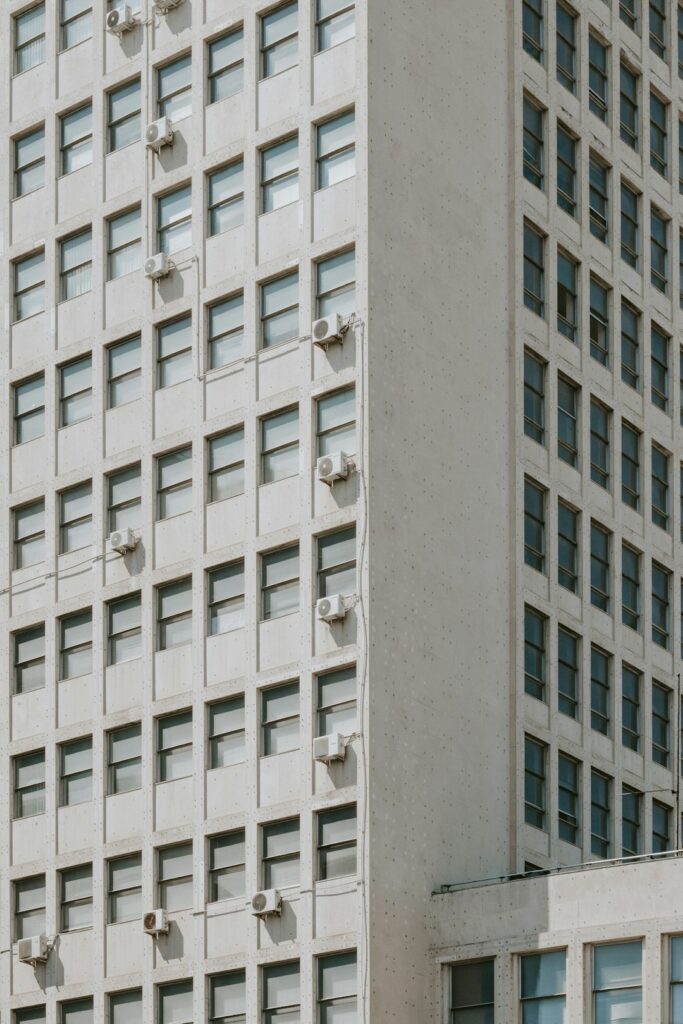
Commercial buildings can reduce energy use through better controls, improved maintenance, efficient equipment, and thoughtful tenant practices. The most effective plan usually begins with measuring where energy is being used rather than replacing equipment without understanding the building’s needs.
Where should a commercial property begin?
Start with an energy review that examines utility bills, operating schedules, HVAC performance, lighting, water heating, and building conditions. Comparing monthly energy use across at least one full year can reveal seasonal patterns and unusual increases.
A useful review should ask:
- Which systems use the most electricity or fuel?
- Does energy use remain high when the building is mostly unoccupied?
- Are heating and cooling operating outside normal business hours?
- Do certain floors, suites, or areas consume more energy than expected?
- Have energy costs risen because of equipment problems, occupancy changes, or weather?
For larger properties, submeters can provide more detail by separating energy use for tenants, common areas, elevators, exterior lighting, or major mechanical systems. Better information makes it easier to prioritize improvements and verify whether a change is actually working.
How can HVAC systems use less energy?
Heating and cooling often account for a large share of commercial energy consumption. Regular filter replacement, coil cleaning, drain maintenance, and control checks can help equipment operate without unnecessary strain.
Temperature settings also matter. A building that is cooled aggressively during unoccupied hours may waste energy without improving comfort. Programmable schedules, occupancy sensors, and properly configured building controls can reduce runtime while preserving reasonable indoor conditions.
In Charleston, warm, humid weather places added demand on air-conditioning and dehumidification systems. A thermostat setting alone may not solve comfort problems if moisture is entering through leaks, equipment is oversized, or outside air controls are poorly adjusted. Excess humidity can also contribute to mold growth, odors, and damage to interior materials.
Useful HVAC improvements may include:
- Scheduling temperature setbacks during unoccupied periods
- Sealing gaps around ductwork and mechanical penetrations
- Keeping outdoor units clear of obstructions
- Checking that supply and return air paths are balanced
- Using variable-speed equipment where operating conditions vary
- Inspecting economizer and outside-air controls
- Monitoring humidity as well as temperature
An oversized air-conditioning system may cool a space quickly but cycle off before removing enough moisture. Proper equipment sizing and control adjustments are therefore connected to both efficiency and indoor comfort.
Can lighting upgrades lower operating costs?
Lighting improvements can reduce electricity use while lowering heat released into occupied spaces. Replacing inefficient lamps with high-efficiency fixtures is only part of the opportunity. Controls often determine whether the savings continue after installation.
Occupancy sensors can turn lights down or off in storage rooms, restrooms, stairwells, and intermittently used offices. Daylight controls can reduce artificial lighting near windows when natural light is sufficient. Time schedules can also manage exterior lighting, parking areas, signs, and common spaces.
Lighting controls should be adjusted carefully. Sensors that switch lights off too quickly may encourage occupants to disable them. Excessive brightness can also waste energy and create glare. The goal is dependable illumination that matches the activity taking place in each area.
How do building envelope improvements affect energy use?
The building envelope includes roofs, walls, windows, doors, and the air barriers that separate conditioned space from outdoors. Leaks in the envelope allow conditioned air to escape and humid outdoor air to enter.
Weatherstripping, door sweeps, sealants, and repaired window joints are relatively simple measures that can improve comfort and reduce HVAC demand. Loading docks, frequently opened service doors, and older windows deserve particular attention.
Roof condition is also relevant. A damaged or poorly insulated roof can increase heat gain during hot weather and may allow moisture intrusion. Reflective roofing materials may reduce heat absorbed by the roof surface, although their value depends on the building’s design, insulation, roof condition, and replacement schedule.
Window treatments can help with solar heat gain. Interior shades, exterior shading, and appropriate glazing may reduce afternoon cooling loads in spaces with significant sun exposure. However, shading should not block useful daylight or interfere with emergency visibility.
What role does maintenance play?
Preventive maintenance is an energy-efficiency measure because neglected equipment usually works harder. A partially blocked filter, leaking valve, dirty condenser coil, or malfunctioning damper can increase energy use for months before occupants notice a clear problem.
Maintenance records should document:
- Filter changes and pressure conditions
- HVAC inspections and repairs
- Lighting control adjustments
- Refrigeration or kitchen equipment issues
- Water leaks and hot-water system performance
- Unusual utility bill changes
- Complaints about temperature, humidity, or drafts

Tracking these details helps property managers distinguish between a design limitation and a maintenance issue. It also creates a record for evaluating future upgrades.
How can water systems become more efficient?
Water heating and distribution can create avoidable energy costs. Low-flow fixtures, prompt leak repairs, insulated hot-water piping, and properly set controls can reduce both water and fuel use.
Commercial properties should not lower hot-water temperatures without considering safety, equipment requirements, and applicable regulations. Extremely low settings may create health risks, while excessively high settings can increase energy use and scalding hazards.
Leaks may be hidden in restrooms, mechanical rooms, irrigation systems, or tenant spaces. A property that uses water overnight when occupancy is low may have a leak or malfunctioning equipment. Comparing water bills with occupancy and operating schedules can help identify unusual patterns.
Which energy upgrades should be addressed first?
The most practical sequence is usually:
1. Correct obvious maintenance problems.
2. Adjust schedules, setpoints, and controls.
3. Improve lighting controls and replace inefficient fixtures.
4. Seal air leaks and address insulation gaps.
5. Evaluate HVAC, water-heating, and building-envelope upgrades.
6. Consider renewable energy after reducing unnecessary demand.
This order helps prevent a common mistake: installing new equipment while existing controls, ductwork, or operating practices continue to waste energy. A smaller, properly controlled system may perform better than a larger replacement that operates inefficiently.
How can tenants and occupants support efficiency?
Occupant behavior affects energy use, especially in office buildings, retail spaces, warehouses, and mixed-use properties. Clear operating guidelines can reduce waste without making spaces uncomfortable.
Examples include keeping exterior doors closed when air-conditioning is operating, reporting leaks and malfunctioning equipment, avoiding personal heaters where safe building controls are available, and turning off nonessential equipment after use.
Property managers can improve participation by explaining what controls do, posting simple instructions, and making sure temperature complaints receive consistent attention. If occupants do not understand how a system works, they may use space heaters, fans, portable cooling devices, or unauthorized equipment that increases total energy consumption.
How should results be measured?
Energy improvements should be verified through utility bills, equipment runtime, indoor temperature and humidity records, and occupant feedback. Comparing usage before and after an upgrade is more useful when the comparison accounts for weather, occupancy, hours of operation, and changes in leased space.
A successful project may produce several benefits at once:
- Lower energy consumption
- More stable indoor temperatures
- Better humidity control
- Fewer equipment breakdowns
- Improved lighting quality
- Reduced operating volatility
Not every upgrade will produce the same return in every property. A lightly occupied building, a high-use facility, and a coastal property with substantial humidity exposure may have very different priorities. Careful measurement allows owners and managers to focus limited budgets on improvements that fit the building’s actual conditions.