

 See My Latest Article on HelloNation
Commercial property management is more than collecting rent or arranging repairs. A good team protects the building, supports tenants, tracks responsibilities, manages risk, and makes sound decisions before small problems become expensive disruptions.
For residents, tenants, owners, and visitors in Charleston, SC, the quality of a management team often becomes visible through everyday details: clean common areas, working lighting, responsive maintenance, clear communication, safe access, and a property that remains usable during difficult weather.
What does a commercial property management team actually do?
A commercial property management team coordinates the daily operation and long-term care of a building. Its responsibilities may include:
- Communicating with tenants and interpreting lease responsibilities
- Scheduling preventive maintenance and repairs
- Monitoring building systems such as heating, cooling, plumbing, electrical, elevators, and fire protection
- Managing vendors, inspections, permits, and service records
- Reviewing operating expenses and maintenance budgets
- Responding to emergencies and documenting incidents
- Planning improvements that protect the property’s function and value
The work varies by property type. An office building may require careful attention to access control, conference areas, elevators, and indoor air quality. A retail property may depend more heavily on parking, lighting, customer access, trash service, loading areas, and storefront conditions. Industrial and mixed-use buildings bring different concerns involving equipment, deliveries, security, and shared infrastructure.
A capable team understands those differences instead of applying the same checklist to every property.
Why is communication one of the clearest signs of quality?
Good communication is timely, specific, and documented. Tenants should know whom to contact, what information to provide, how urgent issues are prioritized, and when an update can be expected.
Silence creates uncertainty. Even when a repair cannot be completed immediately, a useful response can explain:
- What has been reported
- Whether the issue affects safety or business operations
- What temporary measures are available
- Which vendor or technician is involved
- When the next update will be provided
Strong teams also communicate with owners and occupants differently. An owner may need budget details and long-term recommendations, while a tenant may need practical information about access, scheduling, noise, or interruptions.
Clear records matter as much as phone calls. Work orders, inspection reports, invoices, incident notes, and tenant communications help prevent misunderstandings and show whether recurring problems are being addressed.
How does preventive maintenance distinguish a good team?
Preventive maintenance is the organized care of building systems before they fail. It usually costs less and causes fewer disruptions than emergency repairs.
A useful maintenance program tracks equipment by age, condition, warranty status, service history, and replacement cost. It may include scheduled inspections of:
- Roofs, drains, gutters, and exterior walls
- Heating and cooling equipment
- Plumbing fixtures, pumps, and water heaters
- Electrical panels, lighting, and emergency power
- Fire alarms, extinguishers, sprinklers, and exit routes
- Elevators, doors, gates, and access systems
- Parking surfaces, sidewalks, landscaping, and drainage areas
The schedule should reflect the property’s actual exposure. In Charleston, heat, humidity, heavy rain, salt air, tropical weather, and periodic flooding can place additional strain on roofs, mechanical equipment, exterior finishes, drainage systems, and electrical components.
A good team does not simply react to a leak after interior damage appears. It looks for blocked drains, deteriorated sealants, standing water, corrosion, unusual equipment noise, and other early warning signs.
How should a commercial property management team handle emergencies?
An effective team has a written emergency plan and knows how to use it. The plan should identify essential contacts, shutoff locations, evacuation procedures, after-hours response steps, and responsibilities for notifying occupants, owners, insurers, and emergency services.
Emergency planning should address more than fire. Depending on the property, risks may include:
- Flooding or stormwater intrusion
- Roof damage from high winds
- Extended power loss
- Air-conditioning failure during extreme heat
- Plumbing leaks or sewer backups
- Security incidents
- Hazardous odors or suspected gas leaks
- Fire protection system outages
The best plans are practical rather than theoretical. Contact lists should be current, backup personnel should be identified, and important documents should remain accessible if the building cannot be entered.
For properties in or near regulated flood areas, management may also need to track elevation information, floodproofing features, permits, damage assessments, and repair requirements. In the city, certain construction, substantial improvements, and storm-damage repairs in designated flood zones can involve specific permitting and code obligations.
What does responsible compliance management involve?

Commercial properties operate under overlapping requirements involving building safety, fire protection, accessibility, environmental conditions, construction, zoning, insurance, and lease terms.
A good management team does not assume that an older building is exempt from current responsibilities. It keeps track of inspection dates, permits, certificates, required postings, service records, and open corrective actions.
Compliance management also means understanding who is responsible for what. A lease may assign certain repairs to a tenant, but that assignment does not eliminate broader obligations involving life safety, building systems, or required inspections.
In South Carolina, property management activities may also be subject to licensing and supervision requirements. The exact obligations depend on the services performed and the structure of the management arrangement, so records and responsibilities should be reviewed carefully rather than handled informally.
How should a team manage vendors and repair costs?
A good team evaluates vendors based on reliability, qualifications, insurance, communication, pricing, and the quality of completed work. The lowest initial price is not always the lowest total cost if poor work leads to repeat repairs or tenant disruption.
Useful vendor controls include:
- Written scopes of work
- Proof of required insurance
- Clear scheduling expectations
- Approval limits for emergency and routine expenses
- Before-and-after photographs
- Invoices that match completed work
- Documentation of warranties and follow-up obligations
Budgeting should separate routine operating costs from major capital needs. Replacing a worn air-conditioning unit, repairing a roof, or upgrading electrical infrastructure may require a multi-year plan rather than an improvised expense.
Transparent financial reporting helps owners understand why money is being spent and allows recurring costs to be compared over time.
What should tenants look for in day-to-day management?
Tenants often recognize good management through consistency. The building may not be perfect, but problems are acknowledged, expectations are explained, and repeated failures are not ignored.
Warning signs of weak management can include:
- Frequently unanswered maintenance requests
- Unclear responsibility for common-area repairs
- Repeated temporary fixes for the same problem
- Poorly maintained exits, lighting, or walkways
- Unexplained charges or incomplete invoices
- Contractors arriving without notice
- No visible plan for severe weather or building access
- Promises that are not documented or followed up
A well-managed property also respects the people who use it. Repairs should be scheduled with reasonable notice when possible, shared spaces should remain usable, and disruptions should be explained in plain language.
What makes a management team trustworthy over time?
Trust comes from accurate records, consistent follow-through, honest budgeting, and a willingness to identify problems early. A strong team does not hide unfavorable information or delay necessary decisions simply because a repair is inconvenient.
The most dependable approach combines three habits: inspect regularly, communicate clearly, and document decisions. Those habits protect occupants, help owners plan, and make the property more resilient in a demanding coastal environment.
IMAGE_ALT:
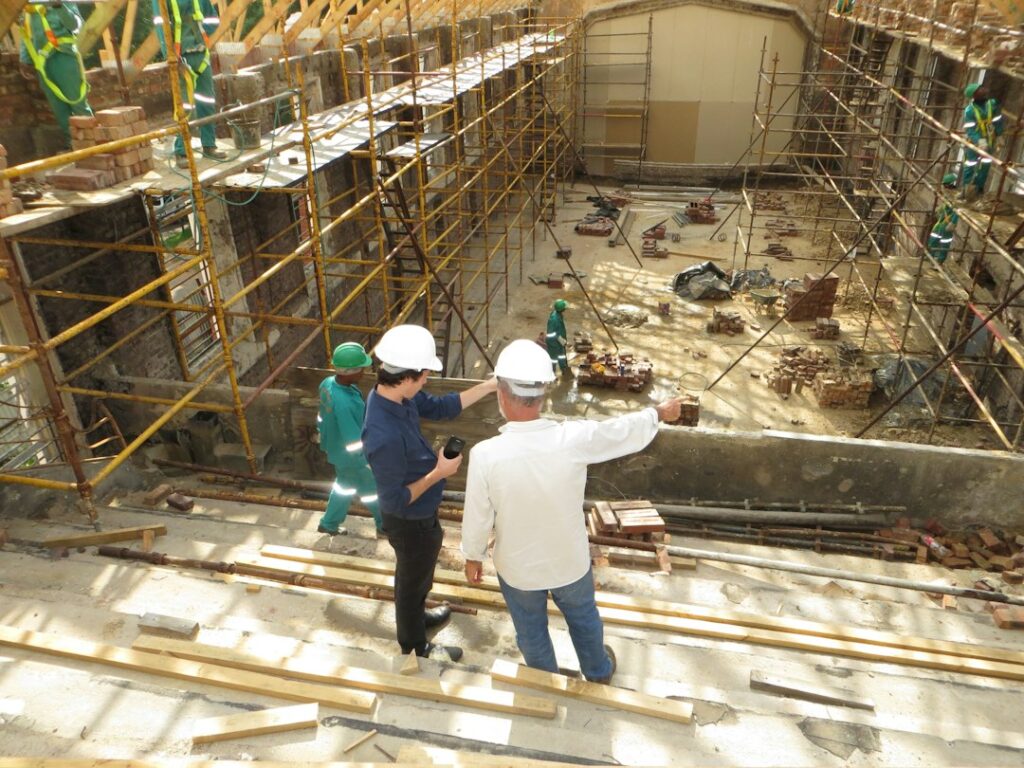
Property managers review maintenance records and inspect a commercial building’s mechanical equipment together.